

As a dentist and a parent, I often get asked about baby bottle tooth decay—also known as “baby bottle rot”, infant caries, infant cavities, nursing caries, baby bottle caries, and early childhood caries (ECC). This potentially painful and traumatizing condition is a common yet preventable problem where cavities develop in babies and toddlers, often due to prolonged exposure to sugary liquids like milk, juice, or formula.
Infant and toddler caries impacts children from many different cultures, backgrounds, and income levels. Whether you breastfeed, bottle-feed, or do a little of both, all babies with teeth are at risk. The good news? With a little education, early intervention, and simple daily infant dental health routines, baby bottle tooth decay is highly preventable.
Below is all the guidance parents need about the causes of infant caries, how to prevent baby bottle tooth decay, and what to do if you think your infant, toddler, or young child may have early cavities. Plus, why cavities in baby teeth may impact lifelong dental health.
Baby bottle tooth decay (also known as nursing caries, early childhood caries, or infant caries) is a common but preventable condition caused by prolonged exposure to sugary liquids like milk, formula, or juice.
Early signs include white spots near the gum line, sensitivity during feeding, and irritability. Left untreated, these can lead to pain, infection, and long-term dental problems.
Nighttime feedings, bottles in bed, and pacifiers dipped in sweet substances are key risk factors. Even frequent breastfeeding without oral hygiene can contribute to decay.
Prevention starts early, before the first tooth erupts. Wipe gums with a soft cloth, introduce brushing with a fluoride toothpaste when teeth appear, and schedule your baby’s first dental visit by age one.
See a pediatric dentist if you notice any signs of decay or have concerns. Early intervention makes a big difference in your child’s oral health journey.
Untreated cavities in baby teeth can impact speech, nutrition, and cause adult teeth to erupt crooked due to early tooth loss.
Dentist-designed tools, like the Calm and Clean Toothbrush Pacifier, help ease babies into oral hygiene routines while soothing teething discomfort.
As a dentist and a parent, I often get asked about what causes baby bottle tooth decay—also known as infant caries, nursing caries, baby bottle caries, and early childhood caries (ECC).
This type of decay happens when baby teeth are repeatedly exposed to sugar, especially before bedtime or naps. The bacteria in the mouth feed on sugars and release acids, which slowly break down the enamel of baby teeth.
Over time, this can lead to cavities, pain, and even infection. It often starts in the upper front teeth, because during bottle or breastfeeding, the nipple rests against the roof of the mouth and bathes those teeth in liquid while the lower teeth are somewhat protected by the tongue.
When babies fall asleep with a bottle filled with milk, formula, juice, or other sugary drinks, the liquid often pools around their baby teeth for extended periods.
While breastfeeding offers many nutritional and immune benefits, it can contribute to infant caries if it continues frequently during the night after teeth have erupted, especially breast milk pools around the baby’s teeth during long or repeated feeds and isn’t followed by cleaning.
Some well-meaning caregivers dip pacifiers in honey, syrup, or other sweeteners to soothe a fussy baby, but this habit significantly increases the risk of infant caries.
The good news is that baby bottle tooth decay is very preventable! Here is what I recommend, as a dentist, to avoid this potentially painful and traumatizing issue.
Baby bottle tooth decay often starts silently, so it’s important to know what to look for early on.
If you suspect your baby has a cavity, you’ll need to act quickly. Early childhood cavities (also known as infant caries or baby bottle tooth decay) can progress faster because baby teeth have thinner enamel. The earlier you catch and treat them, the easier it is to protect your child’s comfort and long-term oral health.
You can also try introducing soothing, dentist-designed products like the Calm and Clean Training Toothbrush & Pacifier. It gently cleans and massages baby teeth and gums during passive sucking, which is especially helpful when your baby is teething or resisting a traditional toothbrush!
Yes. In most cases, cavities in baby teeth should be treated, even though baby teeth will eventually fall out.
Untreated cavities can lead to pain, infection, and difficulty eating or sleeping, and they can spread quickly because baby tooth enamel is thinner and more vulnerable than adult enamel.
If the decay reaches the nerve, it may result in abscesses, swelling, and the need for traumatizing (and costly) dental procedures, including tooth extractions.
Losing baby teeth too early can cause neighboring teeth to shift into the empty space. This often leads to adult teeth coming in crooked or crowded, increasing the chances of needing braces later on.
Brushing should begin as soon as the first tooth appears, usually around 6 months of age. Even if your baby only has one tooth, brushing helps prevent infant caries and baby bottle tooth decay before they start.
Schedule your child’s first dental visit by their first birthday, or within 6 months of the first tooth coming in—whichever comes first.
Early dentist visits are about education and making sure your child gets comfortable with routine dental checks. A pediatric dentist can show you proper brushing techniques, monitor teeth alignment and palate development, and answer any feeding or pacifier questions.
Introducing early infant oral care can feel overwhelming, but it doesn’t have to be! The key is to start gently, stay consistent, and use the best baby toothbrush design for your unique needs.
For babies who don’t like finger brushes and are resistant to your efforts to clean their teeth, try the Calm and Clean Training Toothbrush & Pacifier!
Created by a dentist and mom, Calm and Clean combines the soothing comfort of a pacifier with gentle bristles at the base to massage gums and clean early teeth. It’s a great way to clean baby’s teeth and help prevent infant caries without the struggle.
It also massages tender gums to help alleviate teething pain. It’s a real win-win for parents.
For more in-depth information, read How to Brush Baby Teeth (Without the Meltdowns)
Baby bottle tooth decay, also called infant caries or early childhood caries, is more common than many parents realize, but also highly preventable.
I invented the Calm and Clean pacifier toothbrush to help parents like you protect your baby’s teeth and set the stage for lifelong oral health. A little prevention today goes a long way toward a healthier, happier smile tomorrow! Learn more here or purchase yours now.
These pages contain information for general infant and toddler oral health. They do not provide medical advice. Every mouth is different, so please discuss with your dentist or doctor before you make any changes to your child’s dental hygiene routine.
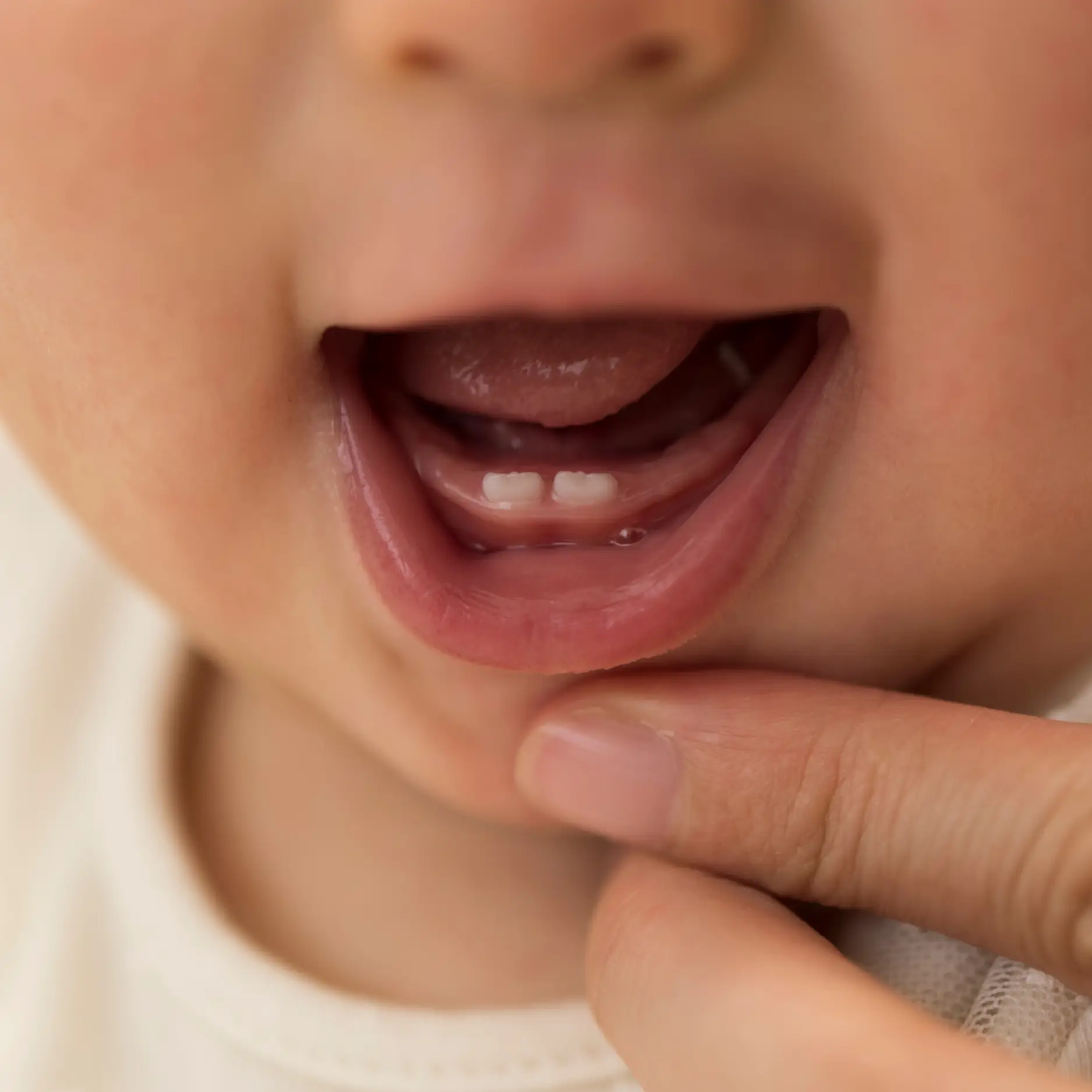
Want to avoid the unnecessary pain and stress of infant and toddler cavities? Get oral health advice from a dentist!